Your Creative Toolkit for Nutrition Communication
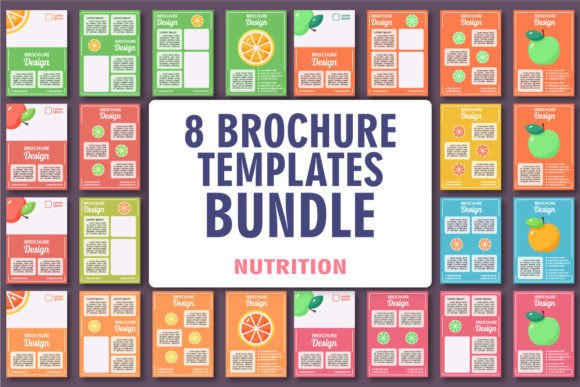
Clear, compelling communication is vital in the world of nutrition and wellness. Whether you’re explaining complex dietary science, promoting a health-focused service, or educating a community, your message needs to be both authoritative and engaging. This is where a dedicated Nutrition Brochure Layout Design Bundle becomes more than just a set of templates—it transforms into a fundamental creative toolkit.
What Makes This Design Bundle a Practical Asset
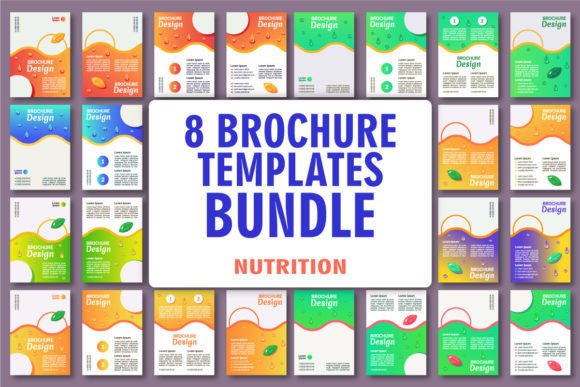
A comprehensive bundle typically includes a versatile set of pre-designed layouts. Think of it as a foundation: vertical poster templates with intentional empty space for your copy, premade corporate report structures, and editable flyer pages. The real value lies in its flexibility. Offered in multiple file formats like EPS, SVG, PNG, JPEG, and AI, it provides accessibility for users across different software platforms, from Adobe Illustrator to more general graphic editors.
The inclusion of vector-based infographics and customizable elements is particularly powerful. Vector graphics allow for infinite scaling without quality loss, ensuring your brochures look sharp whether printed or viewed digitally. This bundle isn’t a static product; it’s often part of a dynamic service where new graphics are added weekly, encouraging subscribers to continuously refresh their visual approach and stay current with design trends.
Unlocking Creative Directions and Applications
The universal nature of these templates invites a wide spectrum of creative interpretations. Your project’s tone—from sleek and corporate to warm and community-oriented—can be established by how you utilize the customizable elements. Let’s explore a few practical directions.
For Educators and Community Health Workers
Clear organization is key. Use the report-style layouts to break down information into logical sections: macronutrient functions, portion guides, or seasonal eating tips. The built-in infographic templates are perfect for creating simple, memorable charts—like a “Vitamin Alphabet” visual or a flowchart on reading food labels. Here, consistency across all materials builds trust and reinforces learning.
For Nutritionists and Wellness Coaches
Your brand’s professionalism must shine. Adapt the corporate report templates into client welcome packets or session summaries. Use the clean flyer layouts for workshop announcements or to explain your methodology. By maintaining a consistent color palette and font family across these varied formats—all easily editable within the bundle—you present a cohesive and reliable brand identity that resonates with clients seeking expert guidance.
For Bloggers and Content Creators
Visual content drives engagement. These layouts can be repurposed beyond physical print. Use the poster templates to create pinnable images for blog posts explaining meal planning. Turn infographic elements into standout slides for video content or social media carousels. The empty copy spaces are designed for you to insert your unique voice and insights, making generic templates feel wholly original.
Adapting for Different Audiences and Formats
The same core template can serve vastly different audiences by shifting its focus. A layout designed for a scientific report can, with adjusted language and imagery, become a friendly guide for parents about childhood nutrition. The key is to always align your design choices with your audience’s needs.
- For a General Public Audience: Prioritize high-impact visuals, minimal text blocks, and relatable metaphors. Use bright, inviting colors from the customizable palette.
- For a Professional or Academic Audience: Leverage the structured layouts for data presentation. Employ a more reserved color scheme and focus on clarity, hierarchy, and citation spaces.
- For Digital vs. Print: Remember, digital formats allow for interactive elements (like linking text in a PDF version) and can incorporate more vibrant colors. Print materials require strong contrast and careful consideration of layout for physical handling.
A practical example: A freelance marketer for a local farm might use the flyer template to create a print handout for a farmers' market, focusing on seasonal produce benefits. Simultaneously, they could use the same base design, optimized for web resolution, as an email newsletter graphic sent to subscribers.
Balancing Inspiration with Effective Execution
While the bundle provides inspiration through its professional starting points, successful execution relies on your strategic input. Keep these recommendations in mind to ensure your final product is effective.
- Start with Your Core Message: Before even opening a template, define the single most important thing your audience should learn or do. Let this dictate which layout and elements you choose.
- Embrace Editing: Don’t feel obligated to use every element on a template. Often, removing a decorative line or simplifying a color block can enhance clarity and direct focus to your content.
- Ensure Text Hierarchy: Use the provided text boxes to establish a clear visual hierarchy. Your headline (H1), sub-points (H2/H3), and body text (p) should be distinct through size, weight, or placement, guiding the reader’s eye naturally.
- Maintain Visual Consistency: If creating a series, reuse your customized color scheme, icon set, and font choices from the bundle across all pieces. This repetition builds recognition and professionalism.
- Subscribe for Evolution: If the bundle includes weekly new graphics, subscribing is a practical habit. It prevents creative stagnation and gives you a regular influx of fresh, modern elements to keep your materials looking current.
The Result: Organized, Original, and Audience-Friendly Materials
By leveraging a structured Nutrition Brochure Layout Design Bundle, you free up mental energy from foundational design struggles. This allows you to invest your creativity and expertise into the content itself—the words, the data, the unique advice that only you can provide. The outcome is a set of materials that are visually organized, inherently consistent, and yet fully original in message. They serve your audience not with generic fluff, but with clear, accessible, and actionable information, building your authority and fulfilling the true purpose of communication: to inform, to guide, and to inspire positive action.