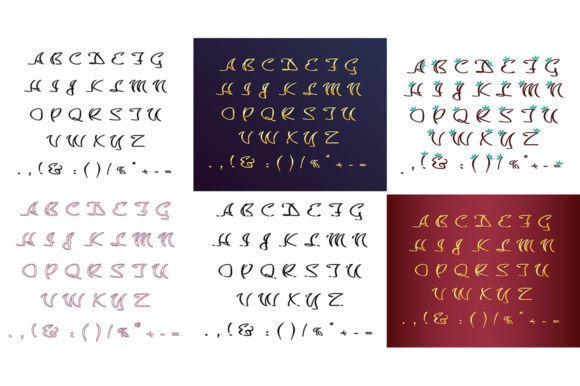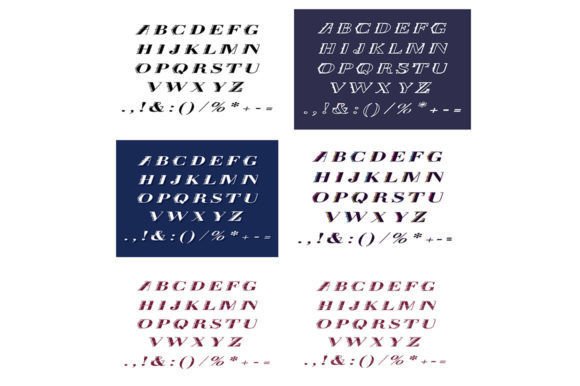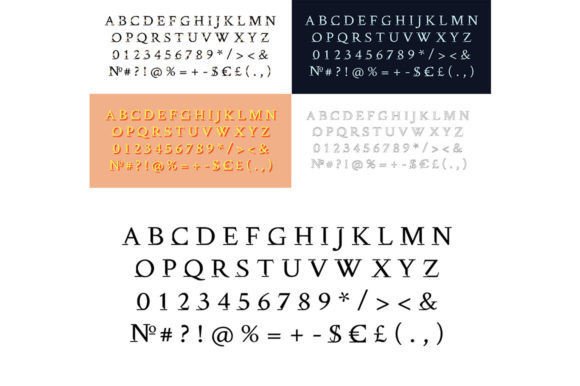
The Art of Decorative Typography: Unveiling the Roman Decor Alphabet Set
Typography is the voice of design, and decorative typography is its most expressive accent. In the realm of digital and print design, the search for distinctive, elegant letterforms that capture attention and convey style is perpetual. Enter the concept of specialized alphabet sets, like the Roman Decor Alphabet Set, which serve as a toolkit for designers seeking to elevate their visual projects. This article explores the world of decorative vector typography, its significance, and how a focused collection like this integrates into modern creative workflows, from business branding to personal artistry.
What is a Roman Decor Alphabet Set?
At its core, a Roman Decor Alphabet Set is a curated collection of alphabetic characters, numbers, and often symbols, designed with a specific decorative aesthetic. The "Roman" aspect typically refers to the foundational structure of the letters, drawing inspiration from classical Roman inscriptions and serif typography—characterized by its proportion, authority, and timelessness. The "Decor" element infuses this classical base with ornamental details: intricate linework, elegant swashes, subtle textures, or modern geometric enhancements. This fusion creates a vector decorative typography set that is both historically anchored and visually trendy.
These sets are not just fonts installed on a computer. They are often provided as individual, customizable vector files. This means each letter is a scalable graphic object, defined by mathematical points and paths, allowing for infinite resizing without loss of quality. The primary purpose is to offer designers raw, flexible components to compose unique headers, titles, and key text elements for projects where standard fonts feel insufficient.
Decorative Typeset Style: Beyond Standard Fonts
Why would a designer choose a decorative alphabet set over a readily available font? The answer lies in control and uniqueness. A decorative typeset style provides a level of artistic manipulation that standard digital fonts often restrict. Each letter can be isolated, recolored, distorted, or combined with other graphic elements in ways that a font, bound by a uniform character map, cannot easily permit. This is crucial for creating graphic posters, banners, and invitation texts where the typography itself is a central piece of artwork. The text becomes not just a conveyor of information, but a primary visual motif.
A common misunderstanding is that decorative typography is merely "fancy" and impractical. In reality, its strategic use is highly practical. It serves a clear functional purpose: to establish hierarchy, evoke a specific emotion (like elegance, luxury, or retro charm), and create instant brand recognition. For example, a single ornate letter used as a logo mark can be more memorable than a whole word in a plain typeface.
The Significance of Vector Format and File Types
The technical backbone of a professional alphabet set is its file format offering. A collection providing files in EPS, SVG, PNG, JPEG, AI caters to the entire spectrum of design software and end-use applications.
- EPS & SVG: These are vector formats. EPS is a longstanding standard for print and professional graphics, while SVG is the web-native vector format, perfect for modern digital interfaces and scalable web graphics. They ensure the design remains crisp on a business card or a website header.
- PNG & JPEG: These are rasterized, pixel-based formats. They offer convenience for quick placement in applications where vector editing isn't needed, such as some video editing software or simple presentation tools, though they lack scalability.
- AI (Adobe Illustrator): Providing native files for the industry-leading vector software grants advanced users full access to layers, paths, and editable properties, enabling deep customization.
This multi-format approach signifies that the set is designed for practical relevance across different user expertise levels and project outputs—from a hobbyist creating a birthday invite to a agency designer crafting a full brand identity.
From Alphabet Sets to Complete Design Ecosystems
Producers of such typography sets often expand their offerings into broader creative resources. The mention of creating vector brochures, infographics templates, customizable elements, and much more highlights an important evolution. The decorative alphabet is not an isolated product; it is a seed for a larger design ecosystem. These alphabets become the building blocks for pre-designed templates, helping users accelerate projects while maintaining a cohesive, high-style visual language. For a small business owner without deep design skills, a brochure template using the same Roman Decor style ensures professional consistency.
Furthermore, the model of "new graphics every week" and a subscription to stay updated speaks directly to the dynamic nature of modern design trends. Creative professionals and enthusiasts need to refresh their tools to stay current. This ongoing service transforms a static product purchase into a living creative partnership, providing continuous inspiration and utility.
Integrating Decorative Typography into Modern Life and Work
The application of decorative typography sets like the Roman Decor Alphabet permeates various facets of contemporary life.
- Business & Branding: In a crowded market, visual distinction is key. A custom decorative typographic logo or unique header font on a website can define a brand's personality—be it artisanal, tech-sophisticated, or vintage. It moves beyond the generic look of common web fonts.
- Education & Communication: In educational materials or corporate presentations, decorative typeset styles for titles and section headers can dramatically increase engagement and information hierarchy, making content more digestible and memorable.
- Creativity & Personal Projects: For invitations, event posters, wedding signage, or personal art prints, these sets allow individuals to imbue their projects with a personalized, crafted feel that mass-market design tools often lack.
- Technology & Digital Media: With the rise of digital content for social media and streaming, customizable vector letters are essential for creating eye-catching thumbnails, channel art, and promotional graphics that stand out on high-resolution screens.
An example that helps understand this naturally: imagine a local coffee shop. Using a standard font for its menu board might look clean but forgettable. By employing a decorative alphabet set with subtle, elegant serifs and custom flourishes for the drink names, the menu itself becomes an artifact of the shop's aesthetic, reinforcing its brand of crafted, attention-to-detail quality.
Building a Broader Understanding: Typography as a Design Foundation
Engaging with a decorative alphabet set is more than just using pretty letters; it's an entry point into understanding typography's foundational role in visual communication. It encourages users to think about letterforms as shapes, about spacing as composition, and about style as narrative. This broader understanding empowers not only professional designers but also marketers, entrepreneurs, educators, and creatives of all kinds to make more informed, effective visual choices.
Clarifying another assumption: these sets are not meant for body text. Their purpose is deliberate and specific—for display, for headlines, for accent. Using them for long paragraphs would be illegible and counterproductive. This distinction is vital for effective application.
Conclusion: The Enduring Value of Custom Letterforms
The Roman Decor Alphabet Set, and collections like it, represent a bridge between the rich history of letter design and the instantaneous needs of modern digital creation. They provide the tools to inject personality, craftsmanship, and visual authority into projects across mediums. By offering versatile vector files, supporting templates, and committing to ongoing updates, such resources align perfectly with the pace and diversity of today's creative landscape. Whether for a trending graphic poster, a timeless wedding invitation, or a sleek business infographic, mastering the use of decorative typography is a step toward transforming ordinary text into extraordinary visual communication.