Enhancing Healthcare Communication with Professional Brochure Design Systems
In the complex and often personal world of healthcare, effective communication is not merely an administrative task; it is a critical component of patient care, community outreach, and professional credibility. The materials that a healthcare provider distributes—whether in a waiting room, at a community health fair, or in a consultation—carry significant weight. They must convey authority, clarity, and compassion simultaneously. This is where a specialized design resource, such as a Healthcare Services Brochure Bundle, transcends being a simple set of templates to become a foundational tool for institutional communication.
The Multifaceted Role of Brochures in Modern Healthcare
Healthcare brochures serve a spectrum of purposes far broader than basic information dissemination. They function as silent educators in waiting areas, explaining complex procedures like mammography or colonoscopy screening in accessible terms. They act as trust-builders, introducing a new medical team or detailing a clinic’s philosophy of care. They are vital for public health initiatives, promoting vaccination drives or mental wellness workshops. In a competitive landscape, they also help differentiate a service, highlighting specialized offerings like pediatric dentistry or geriatric physical therapy.
A generic, poorly designed brochure can undermine these goals. Sparse text, confusing layouts, or amateur graphics can inadvertently signal a lack of professionalism or attention to detail. Conversely, a well-structured, visually coherent brochure leverages design principles to guide the reader, emphasize key takeaways, and support the overall brand identity of the healthcare organization. The challenge for many clinics, hospitals, and independent practitioners is that dedicated graphic design expertise is often an unavailable resource.
Solving the Design Resource Gap: The Bundle as a Strategic Asset
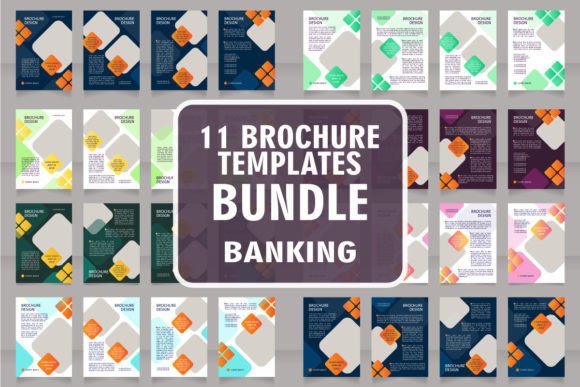
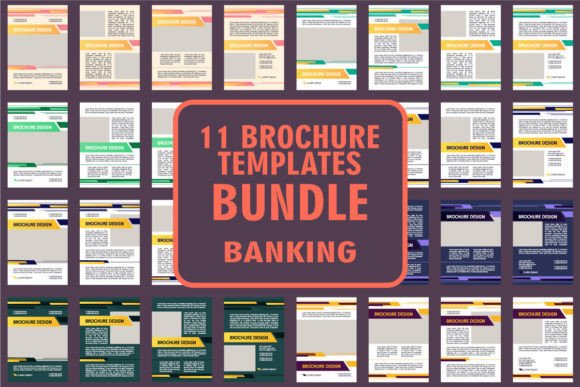
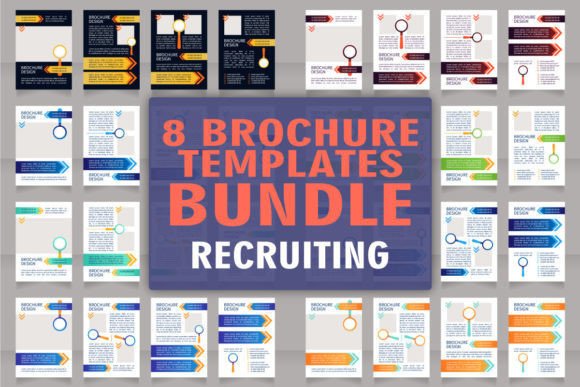
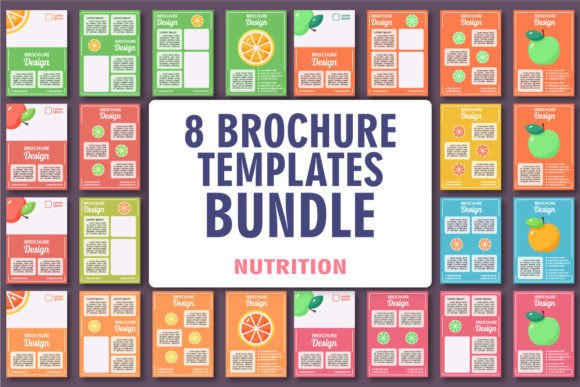
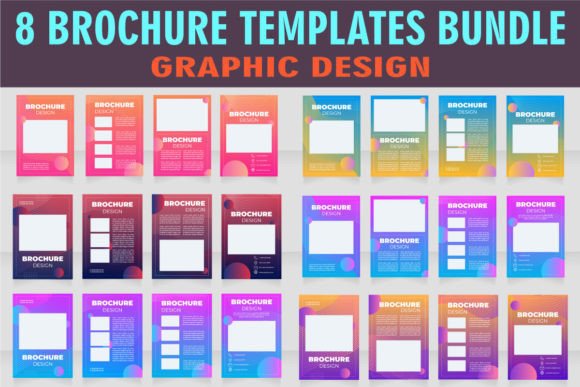
A comprehensive Healthcare Services Brochure Bundle directly addresses this gap. It is not a single template but a collection—a system designed for variability and consistency. The mention of a vertical poster template set with empty copy space for text within such a bundle indicates an understanding of different format needs. A poster might be used for a large-format notice in a hospital corridor, while a tri-fold brochure is suited for handouts. The inclusion of a premade corporate reports collection expands its utility beyond patient-facing materials to internal or stakeholder documentation, such as annual service summaries or community impact reports.
These editable flyer paper pages and templates shift the paradigm from hiring a designer for every new campaign to empowering existing staff—marketing coordinators, practice managers, or even clinicians with an interest—to produce high-quality materials efficiently. The core value lies in the balance between structure and flexibility. The design framework ensures visual harmony and professional aesthetics, while the editable nature allows for the insertion of specific, localized content that resonates with the target audience.
Technical Considerations: File Formats and Customization
The practical utility of such a design bundle is heavily influenced by the technical specifications. Product file formats like EPS, SVG, AI, alongside PNG and JPEG, cater to different user expertise levels and end-use requirements. Vector formats (EPS, SVG, AI) are crucial for true customization. They allow a user to change colors—perhaps to match a clinic’s brand blue—adjust layout elements, or scale the design to different sizes without any loss of quality. This is essential when adapting a core template for a large poster versus a small mailer.
Raster formats (PNG, JPEG) provide ready-to-use, fixed images for users who need to simply add text in another software or for quick digital sharing. The statement about creating vector brochures infographics templates points to an advanced feature: infographics. In healthcare, translating statistics about patient outcomes, service timelines, or health benefit steps into a visual infographic within a brochure can dramatically improve comprehension and retention for the reader.
Beyond the Initial Download: The Ecosystem of Ongoing Design
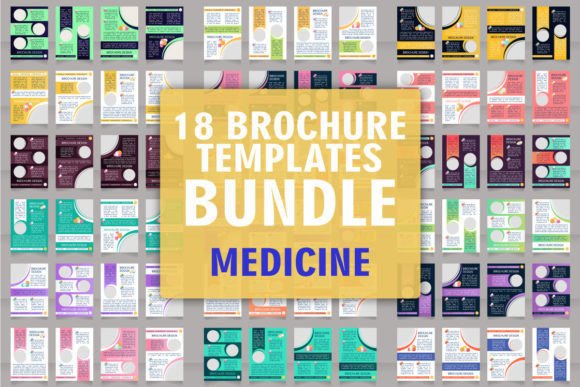
The notion that this collection includes a set of universal brochure design templates suggests adaptability across various healthcare sub-sectors. A universal template might have a clean, science-based aesthetic that can be effectively populated with content for a physiotherapy center, a dental practice, or a diagnostic lab. Customizable elements like icon sets for medical specialties, placeholder charts for results data, or modular sections for “Our Team” profiles contribute to this versatility.
The commitment to new graphics every week and a subscription model to stay updated introduces a dynamic, evolving aspect. Healthcare trends change; new treatment modalities emerge, and design sensibilities evolve. A subscription ensures that a healthcare organization’s communication tools don’t become visually stagnant. They can access fresh infographic styles, contemporary color palettes, or new layout ideas that reflect current best practices in both design and healthcare marketing.
Real-World Applications and User Scenarios
Consider a mid-sized outpatient surgical center launching a new minimally invasive procedure. Their marketing team, using a Healthcare Services Brochure Bundle, can rapidly produce a suite of materials. They might use one template for a detailed procedural brochure for referring physicians, another for a patient-friendly FAQ-style flyer, and a vertical poster for display in partner clinics. All materials share a consistent visual language, reinforcing brand recognition.
An academic researcher presenting at a conference might use elements from the premade corporate reports collection to create a visually compelling handout summarizing their study’s findings, bridging the gap between academic rigor and accessible communication. A health educator running community workshops on diabetes management could use editable flyer pages to create customized session schedules and resource guides for different neighborhoods, maintaining a professional look while addressing local specifics.
For the small business owner of a private counseling practice, such a bundle offers a cost-effective way to establish a polished, trustworthy presence from the outset, creating intake brochures, service overviews, and wellness tip sheets without the upfront cost of custom design.
Strategic Advantages and Key Considerations for Adoption
The primary advantage is scalable professionalism. It allows organizations of any size to produce materials that meet a high standard of design, which is often associated with credibility in the healthcare sector. Efficiency and time savings are significant, enabling faster response to communication needs, such as a sudden public health advisory or a new service launch. Cost-effectiveness is clear when comparing the bundle price to recurrent fees for freelance design work.
However, successful adoption requires consideration. The team member tasked with using these templates needs basic competency with relevant software (like Adobe Illustrator for vector files or even simpler tools for PNG overlays). Organizations must also invest time in populating templates with well-written, accurate, and empathetic healthcare copy—the design facilitates communication, but the content remains paramount. It is also wise to ensure that any chosen design system is flexible enough to accommodate the organization’s unique branding guidelines, such as logo placement and approved color schemes.
Ultimately, a robust Healthcare Services Brochure Bundle is more than a digital product; it is an enabler. It empowers healthcare providers to take control of their narrative, to educate their communities effectively, and to present their vital services with the visual dignity they deserve. By merging professional design frameworks with user-friendly customization, it removes a key operational barrier, allowing the focus to remain where it should be: on delivering clear, helpful, and trustworthy information to patients, partners, and the public.